Your real 3D printing cost per hour, printer by printer.
Pick your printer from the library and add what it really costs you. Every model you price on it uses that number.
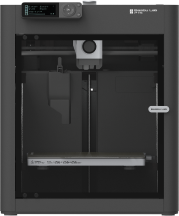
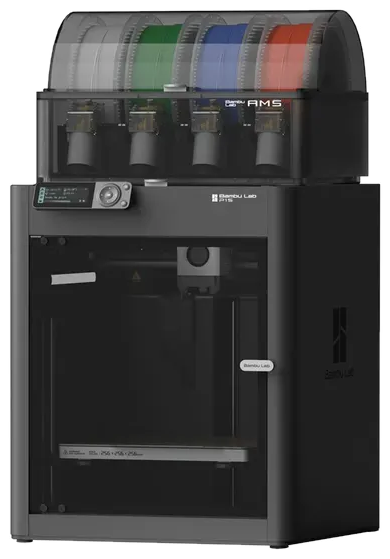
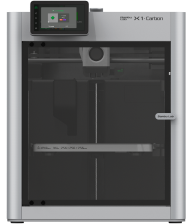
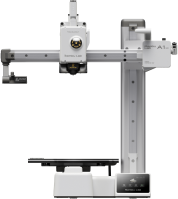
How it works.
Set up each printer once. Every price after that uses it.
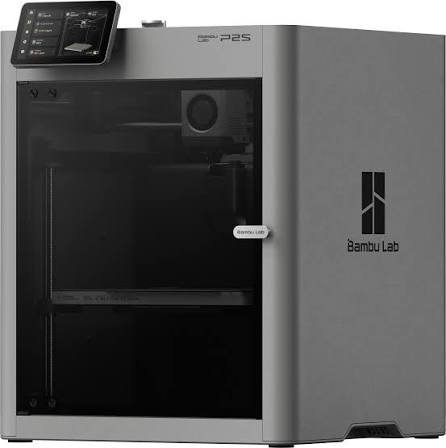
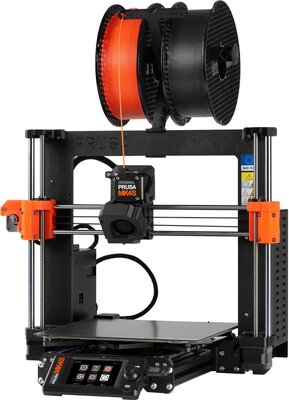
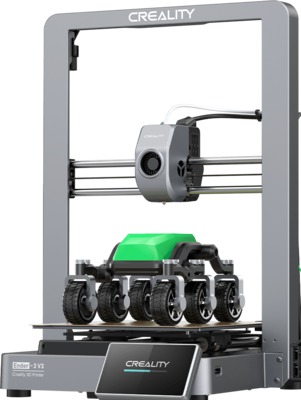
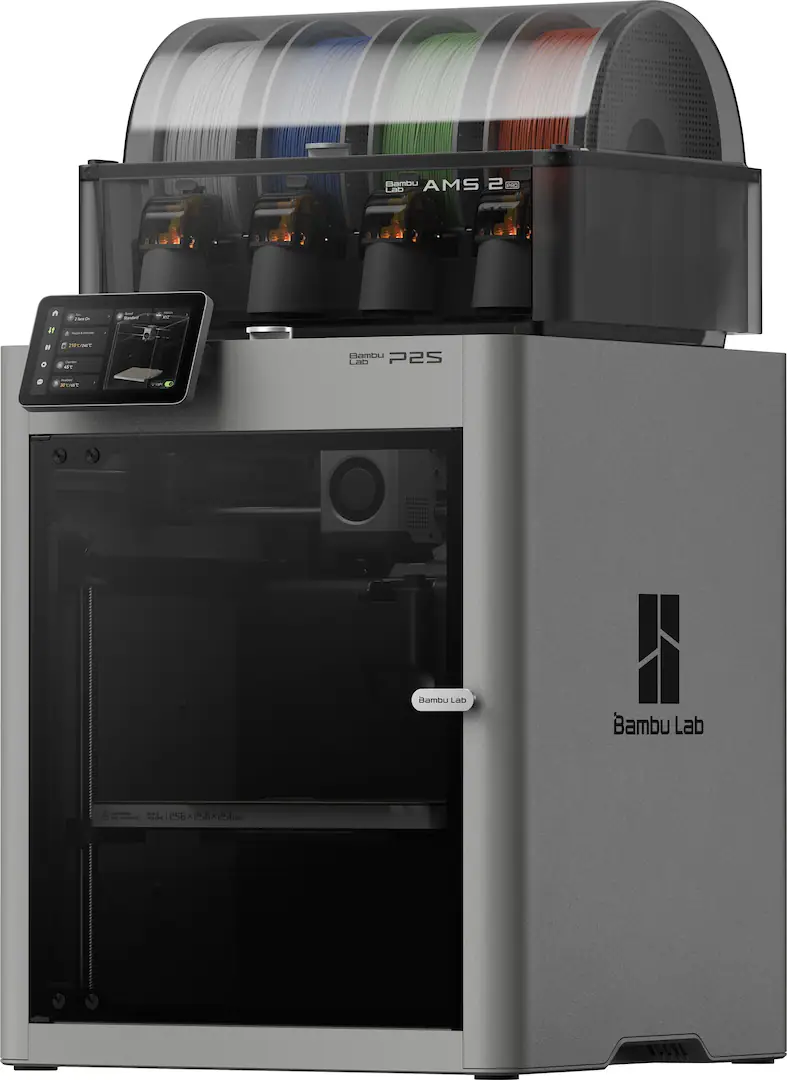
Add your printer from the library.
Pick the brand and model. Its power, nozzle, build plate and price fill in for you. Not listed? Enter it yourself.
Fill in what it costs you.
Change anything that is different for you, then add the hours you expect it to last and what upkeep costs an hour. You see the cost per hour before you save.
Price models on it.
Pick the printer in the calculator. Its cost per hour is added for the print time of every model you price on it.
A real cost for every printer.
Electricity, maintenance and wear, worked out from your own numbers. Not one generic guess for every machine you own.
Every model priced on the right printer.
Pick the printer when you price a model. A long print on a big machine costs what it really costs, and the price shows it.
Then a price for every marketplace.
The printer cost goes into what the model costs to make, and each place you sell gets its own price and profit from it.
One planter, two printers.
The same Hex Planter (Large), 3 hrs 20 min of printing, priced on the free calculator's generic printer and on P1S number one.
Printer costs are part of Starter.
$12.50 a month, $150 billed yearly. Or $15 month to month.
Cancel anytime. 14-day money-back guarantee.Goes well with
How do you calculate 3D printing cost per hour?
Add three costs. Electricity: the printer's watts divided by 1,000, times your price per kWh. Maintenance: what upkeep costs you an hour. Wear: what you paid for the printer divided by the hours you expect it to print. A Bambu Lab P1S at 350 W, $0.18 per kWh, $0.20 an hour of upkeep and $699 over 5,000 hours comes to $0.40 an hour.
How much does it cost to run a 3D printer per hour?
For a desktop printer, usually well under a dollar. A Bambu Lab P1S comes to about $0.40 an hour: $0.06 of electricity, $0.20 of upkeep and $0.14 of wear. Measured at Bambu Lab's 105 W average instead, it comes to $0.36. Electricity is the smallest part. What you paid for the printer and what it costs to keep running make up most of it.
How much electricity does a 3D printer use?
Usually much less than its maximum power. Bambu Lab rates the P1S at 350 W maximum on 110 V, and lists it at 105 W on average while printing PLA. At $0.18 per kWh that is about 6 cents an hour at the maximum and 2 cents at the average. The printer library fills in the maximum, so your cost is never under-counted. If you have measured your own printer, you can change it.
How do you calculate 3D printer depreciation per hour?
Divide what you paid for the printer by the hours you expect it to print before you replace it. $699 over 5,000 hours is about $0.14 an hour, so a 3 hr 20 min print carries $0.47 of wear. On Starter the purchase price fills in from the printer library. Add the lifespan in hours and every model you price on that printer includes the wear.
How much should I charge per hour for 3D printing?
Charge for the whole print, not only the printer's time. The printer's cost per hour, about $0.40 for a Bambu Lab P1S, covers the machine. Filament, your labor, packaging and marketplace fees come on top, then the profit you want. The calculator adds each one and gives you the price.
Is there a free 3D printing cost calculator?
Yes. The 3D PrintForce calculator is free: unlimited calculations, no account and no credit card. It prices every print on a generic printer. Starter adds your own printers, each with its real cost per hour, and saves the models you price.
Which 3D PrintForce plan includes printer costs?
Starter and Growth. Starter is $12.50 a month billed yearly ($150 a year) or $15 month to month. It includes unlimited printers and comes with a 14-day money-back guarantee.